 Skip to content
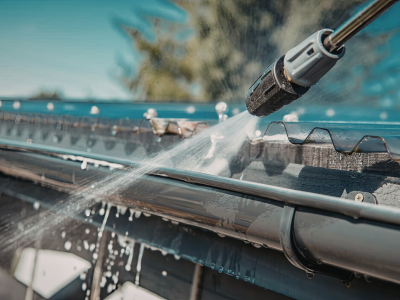
We’ve all seen mesmerizing videos where a wand effortlessly restores a dingy driveway, instantly boosting curb appeal. Making the leap from watching satisfying clips to actually pulling the trigger can be intimidating. This equipment cleans with controlled energy—capable of stripping decades of grime or permanently destroying your property.
According to property maintenance experts, assuming more pressure equals better results is a dangerous myth. Tackling your driveway, wooden deck, vinyl siding, or patio furniture demands surface-specific cleaning requirements. Otherwise, you risk “etching”—where water physically carves permanent lines into wood or concrete. To prevent costly mistakes, our pressure washing guide delivers the exact foundational knowledge you need to clean your exterior safely and effectively.
Decoding PSI and GPM: Why the ‘Bucket of Water’ Matters More Than the ‘Scrubbing Brush’
Most homeowners checking a pressure washing price guide assume higher numbers mean a better machine. Yet, understanding PSI and GPM for residential cleaning reveals two different functions. Think of PSI (Pounds per Square Inch) as a stiff scrubbing brush breaking dirt loose, while GPM (Gallons per Minute) is the bucket of water washing it away. Too much PSI on delicate wood carves permanent “wand marks,” but higher GPM actually dictates how quickly you finish rinsing a large driveway.
To keep property safe, reliable cleaning guidelines break power into three categories:
- Light-Duty (Under 2,000 PSI): Best for patio furniture and small jobs.
- Medium-Duty (2,000–2,800 PSI): Ideal for wooden decks and siding.
- Heavy-Duty (Over 2,800 PSI): Strictly for hard concrete and stubborn stains.
Selecting the appropriate power tier directly influences whether an electric or gas model best fits your household needs.
Electric vs. Gas: Choosing the Right Engine Without Overpaying
Finding the right electric or gas pressure washer means matching your chores to the engine. A 2,000 PSI electric unit easily washes patio furniture, but cleaning a massive driveway will take hours. Gas models tackle two-story siding effortlessly but introduce duty cycles—the need to let the machine rest to prevent overheating—alongside strict engine maintenance.
- Power Capability: Electric suits light, close-up tasks; gas handles heavy, stubborn concrete.
- Maintenance: Gas demands seasonal oil changes and winterizing; electric is simply plug-and-play.
- Overall Value: Weighing these long-term upkeep costs against standard professional pricing helps you decide whether to rent, buy, or hire out.
Raw power means nothing if you accidentally damage your property. Controlling that force requires selecting the exact nozzle to safely distribute the water.
The Rainbow of Nozzles: How the ‘Garden Hose Thumb’ Analogy Saves Your Siding
Remember putting your thumb over a running garden hose? That principle dictates proper pressure washer nozzle selection. Narrowing the fan pattern increases force but reduces the spray angle. Controlling this prevents disaster—like keeping the wand 12 inches away to avoid ruining wooden decks with “fuzzy wood.” Practical pressure washing relies on this standard color-coded chart:
- Red (0°): A laser-thin stream; never use on a home.
- Yellow (15°): A chisel for tough concrete grime.
- Green (25°): The best angle for most general cleaning tasks.
- White (40°): The safest choice for windows and plastics.
Homeowners frequently ask if pressure washing can damage vinyl siding. Absolutely. Using the white nozzle prevents cracked panels, but sometimes pressure isn’t the answer. For stubborn algae, high pressure falls short; you need soft washing—relying on chemistry rather than sheer force.
Soft Washing Secrets: Why Your Roof and Siding Need Chemistry, Not Force
Blasting algae with water just trims the weed—it doesn’t kill the root. You need soft washing: cleaning with chemistry, not force. Like soaking a dirty lasagna pan instead of scrubbing it, this downstreaming method mixes low pressure with biodegradable cleaning solutions. The primary benefits of soft washing for home siding include killing mold without cracking your vinyl. Regarding roof cleaning safety, soft washing is mandatory; high pressure instantly destroys protective asphalt shingles.
Because active surfactants are involved, you must protect your landscaping using these essential safety steps:
- Pre-rinse plants to fill them with fresh water.
- Apply chemicals strictly to the home’s surface.
- Cover delicate bushes with lightweight tarps.
- Rinse surrounding greenery thoroughly afterward.
With your landscaping safeguarded, you can safely apply specific techniques to your driveway, deck, vinyl, and patio.
Master the ‘Big Four’: Step-by-Step Wins for Driveways, Decks, Vinyl, and Patios
Tackling concrete requires more than just water. To remove oil stains, apply a degreaser first, then use a surface cleaner attachment—a dome that spins water evenly—to avoid leaving zebra-like lap marks. Additionally, preventing mold and mildew regrowth on pavers relies on a post-wash detergent mix to kill lingering spores.
Moving to softer surfaces, safe pressure washing techniques for wood decks demand keeping the wand moving. Lingering causes torn structural lignin fibers and ruins the finish. Similarly, when washing vinyl, always work from the bottom up to avoid trapping water behind panels.
Before starting, follow this exterior house washing preparation checklist:
- Close windows tightly.
- Tape electrical outlets.
- Relocate patio furniture.
- Pre-wet nearby plants.
- Test inconspicuous spots.
While these steps outline a clear path to restoring your home’s exterior, deciding whether to tackle the project yourself or hire an expert comes down to evaluating your time and physical risks.
The Real Cost of Clean: Balancing DIY Savings Against Professional Precision
Comparing DIY pressure washing against professional cleaning services comes down to simple math. The average cost to pressure wash a 2,000-square-foot house runs $300 to $500. Since a reliable machine costs roughly the same, hiring an expert often saves your weekend without breaking the bank.
Hidden risks further tip the scale. Slippery roof cleaning introduces major injury liability, while reaching upper-level siding adds specialized equipment costs like heavy telescoping wands. Leave these hazardous tasks to insured experts.
Once safely cleaned, maintaining that fresh look is straightforward with a consistent seasonal routine.
Your 4-Season Maintenance Roadmap: How to Keep Your Home Shining Year-Round
You’ve upgraded from watching satisfying cleaning videos to understanding the mechanics of exterior property care. Timing is everything to avoid winter freeze damage, making your exterior maintenance schedule crucial—especially for both residential upkeep and commercial pressure washing needs:
- Spring: Wash away winter grime and safely prep your decks.
- Fall: Clear decaying leaves before freezing temperatures arrive.
Armed with this foundational knowledge, you can confidently maintain your property’s structural integrity and aesthetic value. Whether you’re handling routine cleaning or considering commercial pressure washing, always start on low pressure with simple items before tackling heavy-duty surfaces, and you will safely master the process.