 Skip to content
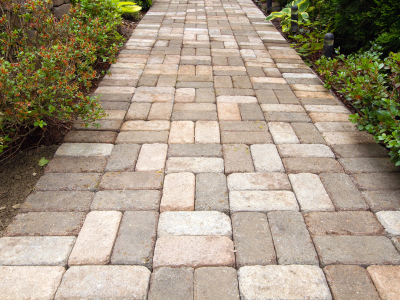
You spent good money on that paver driveway or pool deck, and sealing it was the smart move. But sealer does not last forever, especially not in Florida. So how long should you actually expect it to hold up before it needs to be done again?
The short answer for most St. Augustine homes: quality paver sealer typically lasts two to three years in our climate, sometimes longer with the right product and proper care. Homes farther from the coast or with shaded, low-traffic pavers can stretch closer to four or five years.
That range is wide because several factors decide how fast your sealer wears down. Here is what shortens sealer life in Northeast Florida, how to tell when it is time to reseal, and how to get the most years out of every application of paver sealing in St. Augustine.
What Determines How Long Paver Sealer Lasts
Sealer life is not random. It comes down to five things: the type of sealer used, how well the pavers were prepped, sun exposure, moisture and traffic, and how close you live to the ocean. Let’s walk through each one.
The Type of Sealer Makes a Big Difference
Not all sealers are built the same, and the product choice is the single biggest factor in longevity.
- Water-based acrylic sealers are the most common for Florida homes. They typically last two to three years, breathe well, and hold up nicely in humidity.
- Solvent-based acrylic sealers give a deeper wet look and can last a bit longer, but they can trap moisture in Florida’s climate if applied incorrectly, which leads to a cloudy white haze.
- Urethane and epoxy-fortified sealers are the most durable option and can push past three years, though they cost more upfront.
A professional will match the sealer to your surface and its exposure. A shaded courtyard in Nocatee and a full-sun pool deck in St. Augustine Beach should not necessarily get the same product.
Prep Work Decides Whether Sealer Bonds or Fails
Here is the part many homeowners never see: sealer is only as good as the cleaning underneath it. Sealing over dirt, algae, old failing sealer, or damp pavers is the number one cause of premature failure.
Proper prep before sealing includes:
- Deep cleaning the pavers to remove dirt, mold, algae, and stains
- Stripping any old, failing sealer if needed
- Re-sanding the joints with fresh sand
- Letting the surface dry completely before application
This is why paver sealing and professional pressure washing in St. Augustine go hand in hand. When the cleaning step is rushed or skipped, even the best sealer can peel, haze, or wear out in under a year.
Florida Sun Is the Biggest Enemy of Sealer
UV exposure breaks down sealer the same way it fades paint and car finishes. St. Augustine gets intense sun most of the year, and pavers in full sun lose their sealer noticeably faster than shaded areas.
That is why a south-facing driveway often needs resealing before a covered lanai, even if both were sealed the same day. If your pavers bake in direct sun all afternoon, plan toward the shorter end of the lifespan range.
Water, Traffic, and Sprinklers Wear Sealer Down
Everyday use grinds away at sealer, and moisture speeds up the process. The wear factors we see most on St. Johns County properties include:
- Vehicle traffic on driveways, especially where tires turn
- Pool water splash-out, since chlorine and salt water both degrade sealer
- Irrigation overspray that keeps paver edges constantly damp
- Poor drainage that lets water pool on the surface
- Frequent foot traffic on walkways and entries
A pool deck that gets splashed daily and a driveway that gets parked on will simply need attention sooner than a decorative side path.
Coastal Homes Face Extra Pressure from Salt Air
If you live near the water in St. Augustine Beach, Ponte Vedra, or along the Intracoastal, salt is part of your equation. Salt spray settles on pavers and slowly attacks the sealer layer, and salt crystals pull moisture into any exposed pores.
Coastal homeowners should expect sealer life at the lower end of the range, closer to two years, and should keep a closer eye on the warning signs below. The upside is that well-sealed pavers near the coast are far better protected than unsealed ones, which take that salt abuse directly.
6 Signs It Is Time to Reseal Your Pavers
Your pavers will tell you when the sealer is wearing out. Watch for these signals:
- Water stops beading. Sprinkle water on the surface. If it soaks in instead of beading up, the sealer is gone or nearly gone.
- Color looks faded or dull. The rich, enhanced color from sealing washes out as the sealer breaks down.
- Stains soak in fast. Oil drips, leaf stains, and rust marks that once wiped away now sink into the paver.
- Joint sand is disappearing. Rain and power washing St. Augustine homeowners can wash out joints once the sealer stops locking sand in place.
- Weeds and mold return. Growth in the joints means moisture is getting in again.
- White haze or peeling. This usually signals a failed application that may need stripping before resealing.
If you are seeing two or more of these, it is time to schedule a cleaning and reseal before the pavers themselves start taking damage.
How to Make Your Sealer Last Longer
You cannot control the Florida sun, but you can absolutely stretch the life of your sealer with a few habits:
- Rinse pavers occasionally to remove salt, dirt, and organic debris
- Adjust sprinklers so they do not constantly soak paver edges
- Clean up oil, rust, and leaf stains promptly
- Sweep off standing debris that traps moisture
- Have pavers professionally cleaned between sealings rather than letting grime build for years
Routine care also means that when resealing time comes, the prep is easier and the results last longer.
Is Resealing Every Few Years Worth It?
It is fair to ask whether sealing is worth repeating every two to three years. Consider what unsealed pavers go through in Florida: constant moisture, salt, sun, mold, and stains all working directly on the brick itself.
Sealed pavers resist stains, hold their color, keep their joint sand, and stay far easier to clean. Unsealed pavers fade, shift, grow weeds, and eventually need repairs or replacement that cost far more than a maintenance sealing schedule. For most homeowners, resealing is one of the cheapest ways to protect one of the most expensive surfaces on the property.
Frequently Asked Questions
How long does paver sealer last in Florida?
Most quality sealers last two to three years on Florida pavers. Shaded, low-traffic areas can stretch to four or five years, while full-sun driveways and coastal pool decks tend toward the two-year mark.
How do I know if my pavers were sealed before?
Pour a little water on a clean, dry paver. If it beads on the surface, there is still sealer present. If it soaks straight in and darkens the paver, the surface is unsealed or the sealer has worn away.
Can I seal my pavers right after pressure washing them?
No. Pavers need to dry completely first, which usually takes at least 24 to 48 hours of dry weather depending on conditions. Sealing damp pavers traps moisture and causes cloudy hazing.
Why did my paver sealer turn white or cloudy?
White haze usually means moisture was trapped under the sealer, either because the pavers were sealed while damp or the wrong product was used for the conditions. Fixing it often requires stripping and resealing, which is why proper prep matters so much.
Does sealing stop weeds and ants in paver joints?
Sealing with joint-stabilizing sealer hardens the sand between pavers, which greatly reduces weed growth and ant activity. It will not make them impossible, but it removes the loose, open sand they thrive in.
Keep Your Pavers Protected Year After Year
In the St. Augustine climate, plan on resealing your pavers every two to three years, and keep an eye out for fading, water soaking in, and joint sand loss in between. Good prep, the right sealer, and a little routine care are what separate a sealing job that lasts from one that fails in a year.
A1A Pressure Washing is a veteran-owned local company, and paver cleaning and sealing is one of our specialties. We handle the full process, from deep cleaning and re-sanding to applying the right sealer for your surface, for homes across St. Augustine, St. Johns County, Ponte Vedra, and Palm Coast.
Not sure whether your pavers are due? Request a free estimate and we will take a look. We will give you an honest answer about whether your sealer still has life left or whether it is time for a fresh application.