 Skip to content
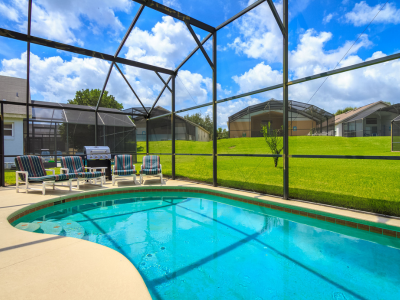
If you own a pool in Jacksonville, St. Augustine, or anywhere along Florida’s northeast coast, your screen enclosure is working hard for you. It keeps out leaves, bugs, and debris while still letting the sun through. But that same enclosure is also sitting outside in constant humidity, salt air, and rain, which means it needs regular cleaning to stay in good shape.
Pool cage cleaning in Jacksonville isn’t just about looks. A dirty enclosure can trap mold, weaken screen material, and even lower your property value. Here’s what you need to know about keeping your pool cage clean, safe, and long-lasting.
What Happens When a Pool Enclosure Doesn’t Get Cleaned
Florida’s climate is rough on outdoor structures. Between the humidity, heavy rainfall, and salt air near the coast, pool enclosures collect grime faster than most homeowners expect. Left alone, that buildup causes real problems.
Mold and mildew take hold fast. Screen enclosures create shade and trap moisture, which is exactly what mold and mildew need to grow. Once it sets in, it spreads across the screen mesh and the aluminum frame.
Algae stains the frame and pavers. Green and black algae streaks are common on pool cages near St. Augustine and coastal St. Johns County, especially on the north-facing sides that get less direct sun.
Salt air speeds up corrosion. Homes closer to the coast, including St. Augustine Beach and Ponte Vedra, deal with salt buildup that can pit and corrode aluminum framing over time if it’s never rinsed off.
Dirty screens block airflow and light. A layer of dust, pollen, and grime on the mesh cuts down on both the view and the ventilation your pool area is supposed to have.
Small problems turn into big repairs. Corroded frames and brittle screens are far more expensive to replace than they are to maintain with routine cleaning.
The Difference Between Pressure Washing and Soft Washing for Enclosures
Not every part of a pool cage should be cleaned the same way. This is one of the most common questions we get, and it matters more than people think.
- Aluminum framing can usually handle a controlled pressure wash to remove algae, dirt, and salt residue.
- Screen mesh is delicate. High pressure can tear or stretch it, so screen enclosure cleaning in Jacksonville typically calls for soft washing with lower pressure and the right cleaning solution.
- Pool decks and pavers inside the cage often need their own separate cleaning approach, since they deal with sunscreen residue, pool chemicals, and constant foot traffic.
A professional crew will know which method to use on which surface. That’s the biggest reason DIY pressure washing on an enclosure can go wrong. Too much pressure in the wrong spot, and you’re looking at a torn screen instead of a clean one.
How Often Should You Clean Your Pool Cage
Most homes in Northeast Florida benefit from a professional cleaning once or twice a year, though it depends on a few factors.
- Distance from the coast – Homes near St. Augustine Beach or other coastal areas need more frequent cleaning because of salt exposure.
- Tree coverage – Properties with lots of overhead trees see faster buildup of pollen, sap, and organic debris.
- Pool usage – Frequently used pools track in more sunscreen, oils, and chemicals that end up on the surrounding screen and deck.
- Time since the last cleaning – If it’s been more than a year, buildup is likely more stubborn and may need a stronger first cleaning before switching to a regular schedule.
A good rule of thumb: if you can see visible streaking, dark spots, or a dull haze on the screen from a few feet away, it’s time to schedule a cleaning.
Why Enclosure Cleaning Matters for Property Value and HOA Compliance
A clean pool cage does more than look nice. In many St. Johns County and Northeast Florida neighborhoods with HOA rules, dirty or discolored screen enclosures can trigger a compliance notice. Keeping up with pool screen pressure washing helps you avoid that hassle entirely.
It also protects resale value. Buyers and inspectors both notice a pool enclosure that looks worn down, stained, or corroded. Regular maintenance keeps the structure looking newer for longer and can save you from a costly full replacement down the road.
Preparing Your Pool Enclosure for Hurricane Season
Hurricane season adds another reason to stay on top of enclosure maintenance. A screen enclosure that’s already weakened by algae growth, corrosion, or brittle mesh is more likely to suffer damage during high winds and storms.
Before hurricane season ramps up, it’s worth having your pool cage inspected and cleaned. This gives you a clear look at any loose panels, corroded fasteners, or damaged screening that should be repaired before a storm hits, not after.
Signs It’s Time to Call a Professional
While light rinsing can be a DIY task, certain signs mean it’s time to bring in a professional pool enclosure pressure washing service.
- Dark streaks or algae that won’t come off with a hose
- Visible white, chalky residue on aluminum framing (a sign of oxidation)
- Musty smell coming from the pool area
- Screens that look dingy even after light cleaning
- Rust spots on fasteners or frame joints
A professional crew has the right equipment and cleaning solutions to handle these problems safely, without damaging the screen mesh or surrounding pavers and concrete.
Combine Enclosure Cleaning With Other Exterior Maintenance
Your pool cage rarely exists in isolation. Most homeowners scheduling screen enclosure cleaning in Jacksonville or St. Augustine also have driveways, pavers, and exterior walls nearby that could use the same attention. Bundling services like pressure washing or paver sealing with your enclosure cleaning is often more efficient than scheduling separate visits throughout the year. If your pool area also has an outdoor kitchen, screen door, or fence in need of repair, our handyman services can handle that in the same visit.
FAQ: Pool Cage and Screen Enclosure Cleaning
Is it safe to pressure wash a screen enclosure?
High pressure isn’t recommended directly on screen mesh, since it can tear or stretch the material. Aluminum framing can typically handle a controlled pressure wash, but screens usually need a gentler soft washing approach.
How much does pool cage cleaning cost in Jacksonville?
Cost depends on the size of the enclosure, how dirty it is, and whether it includes the deck or pavers inside. Getting a free estimate is the easiest way to know exact pricing for your property.
Can I clean my pool enclosure myself?
Light rinsing with a garden hose is fine for regular upkeep. But for algae, mold, salt residue, or anything requiring pressure equipment, a professional service reduces the risk of damaging the screen or frame.
How long does professional enclosure cleaning take?
Most residential pool cages can be cleaned in a few hours, depending on size and the condition of the screen and framing.
Does cleaning help my screen enclosure last longer?
Yes. Removing algae, mold, and salt buildup regularly reduces corrosion and material breakdown, which extends the life of both the screen and the frame.
Final Thoughts
A pool enclosure protects your outdoor space, but it needs its own protection too. Regular cleaning keeps mold and algae from taking hold, slows down corrosion from salt air, and helps your screens and framing last as long as possible. For homeowners across St. Augustine, St. Johns County, Ponte Vedra, and the greater Jacksonville area, staying ahead of buildup is a lot easier than dealing with repairs later.
Ready for a Cleaner Pool Enclosure?
A1A Pressure Washing offers professional pool cage cleaning in Jacksonville and throughout Northeast Florida, using the right method for both your screens and your framing. Request a free estimate today and let us help you keep your pool enclosure clean, protected, and ready for the season ahead.